We remain fully operational. Our teams are working around the clock to ensure your deliveries continue safely.

DOWNLOAD THE APP


Customer Services
Copyright © 2025 Desertcart Holdings Limited
DOWNLOAD THE APP
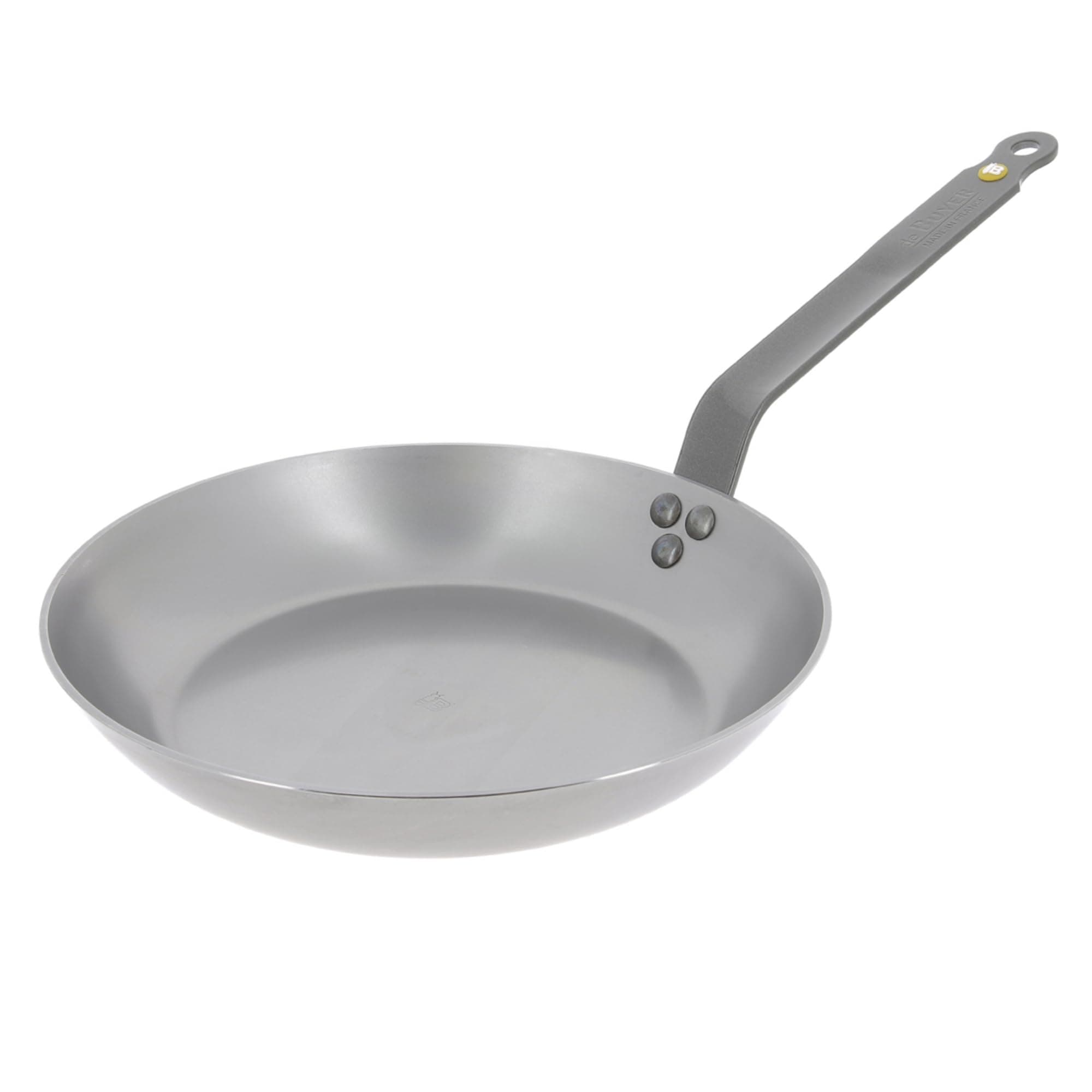



🍳 Elevate your kitchen game with timeless iron craftsmanship!
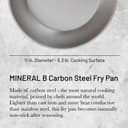
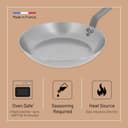
The De Buyer Large Mineral B Black Iron Frying Pan (28cm) is a premium French-made carbon steel pan featuring a beeswax coating that enhances natural non-stick properties and prevents rust. Designed for all cooking surfaces including induction, it heats quickly and evenly thanks to its heavy iron construction. Built for durability and professional-level cooking, it requires seasoning before use and hand washing only. Ideal for millennials seeking a sustainable, high-performance pan that improves with every meal.


| ASIN | B00462QP16 |
| Best Sellers Rank | 56,446 in Home & Kitchen ( See Top 100 in Home & Kitchen ) 131 in Frying Pans |
| Brand Name | DE BUYER |
| Capacity | 0.7 litres |
| Coating Description | Beeswax coating |
| Colour | Grey |
| Compatible Devices | Gas, Smooth Surface Induction |
| Country Of Origin | France |
| Customer Reviews | 4.4 4.4 out of 5 stars (12,669) |
| Global Trade Identification Number | 03011245610289 |
| Handle Material | Iron |
| Has Nonstick Coating | No |
| Included Components | Fry Pan |
| Is Oven Safe | Yes |
| Is the item dishwasher safe? | No |
| Item Shape | round |
| Item Type Name | de Buyer Carbon Steel Fry Pan |
| Item Weight | 2.16 kg |
| Manufacturer | De Buyer |
| Manufacturer Part Number | 22303 |
| Material Type | Cast Iron |
| Maximum Temperature | 200 Degrees Celsius |
| Model Name | 5610.28 |
| Model Number | 5610.28 |
| Product Care Instructions | Hand Wash Only |
| Recommended Uses For Product | Versatile cooking, including roasting, searing, stewing and steaming |
| Special Features | helper handle |
| Specific Uses For Product | Sautéing, grilling, frying in a pan, and scalding |
| UPC | 643749926165 |
| Unit Count | 1.0 count |
C**N
Lovely pan to use - takes some looking after though
Having gone through two non-stick frying pans over the last 10 years, I decided to buy something a little more long lasting. I looked at some non-stick pans made from titanium, but they were roughly 30-50% more expensive than this De Buyer pan. I also considered the enamelled cast iron frying pans from Le Creuset, however, the cost and the sheer weight of the pans put me off. The De Buyer pan looks great to me. Functional and stylish. The handle is riveted onto the pan and the whole thing feels weight enough to be solid, but without the enormous heft of a cast iron pan. The handle has a smooth coating on it that feels nice, though be aware that it still conducts heat. If you are frying over a high heat, it is advisable to wrap a cloth over the handle or use oven gloves. The pan heats up quickly and is ideal for searing meats. 24cm is a good size when cooking for one or two people. This pan is not non-stick - you must season the pan and use it over time in order to build up a patina. The pan comes with some basic instructions on how to season. The more you cook with it, the darker the surface of the pan gets. This is normal and will help build your non-stick coating. Do not worry about it being unhygienic. Frying will kill anything on the cooking surface, though of course you should still wash the pan. De Buyer recommend purifying the pan occasionally to stop residues and odours from previous uses seeping in. You simply heat the pan over a high heat with cooking salt in the pan, and then wipe clean with a kitchen towel. You can use metal utensils on the surface, but also use your common sense. Hard and abrasive scraping will damage the coating you are trying to build up, and you risk scratching the metal. Cleaning is simple. Wash with hot water, a soft sponge and a tiny amount of washing up liquid. Wipe the pan dry all over, otherwise the pan may rust. Any bits of food that stick can be picked away with a plastic scraper or a slightly rougher sponge. Never use a metal scourer. Before you put it away, pour a little oil onto a kitchen towel and wipe the surface of the pan. Do not put it away without the cooking surface being oiled. Before you use it again, you can rinse it with hot water (and then dry). A few things to note if you are used to using non-stick pans: - the surface of the pan will darken and colour. This is a gradual process and the colouration does not happen evenly. If you like your pans to look beautiful and pristine, then these pans are not for you; - they take more looking after. You cannot use a dishwasher with these pans and you need to dry them thoroughly; and - as stated above, when cooking over a high heat, do not grab the handle without protection. For those that are fine with the maintenance aspect of these pans, I recommend them very highly. They are well made and do an exemplary job.
A**E
These pans are wonderful! The thickness and weight create an evenly-heated cooking ...
This was my first foray into the world of carbon steel cookware and it was a couple of months before I screwed up the courage to season my shiny new pan, having read everything I could find about the process, large swathes of which were contradictory! At least there was general consensus that it was impossible to make a mess of the pan: just strip it down and start again. Thankfully, I found a method that worked well (everyone seems to have their own, often idiosyncratic, method) and, after carefully only using the pan for meat, bacon and other highish fat content produce for the first few times, I ventured into pancakes. Then omelettes. Then plain old eggs. Then anything I could think of! I haven't cooked anything yet that has stuck even just a little bit. These pans are wonderful! The thickness and weight create an evenly-heated cooking surface and the high temperatures that can be achieved result in gloriously seared steaks. I've bought two more in different sizes/styles since and I felt so confident in their performance that, with the second one, I went straight for fried eggs immediately after seasoning. Perfect! If you have the patience to look after these pans properly - season them well initially, rinse after use with hot water and dry thoroughly - they will become your best friends! There are a lot of myths knocking around about how fragile and sensitive the seasoning can be with dire warnings regarding use and care. It's mostly nonsense put about by posers who think that making a mystery out of something that was an everyday occurrence before Teflon made an appearance makes them seem like some sort of culinary guru! If you read about the science behind seasoning you'll understand why. Carefully done (and rocket science it ain't), the seasoned surface is as hard as the steel pan itself and as slick as ice: you can only really damage it if that's your intention. Here are the only things I've found that can cause damage, and none of it is irreparable: 1. High concentrations of acid. Some say you should never put tomatoes or wine into a seasoned pan, which makes whipping up a well-flavoured pan sauce a little tricky. Small amounts for a short time will do no harm whatsoever. I'll deglaze with a little stock then add my wine and whatever else is going into the sauce, cook it on a high heat until it's reduced enough, serve it and rinse the pan immediately. No problem. 2. Digging at it with sharp stabby things. Obvious really. However, a good quality, flexible stainless steel spatula will serve you well. Using one to lift and turn your food makes sure that all the lovely little bits of crusty goodness are on your steak and not left behind on the pan. It's the single most important way I've found of keeping the seasoned surface smooth and gunk-free. Just don't dig! 3. Dry cooking. This won't actually damage anything but it will make avoiding (4) difficult. Always at least lightly brush your pan with your cooking fat of choice before cooking otherwise you'll have burnt bits adhering to the pan that even your spatula might not be able to handle. 4. Elbow grease! If fingernails can't pick the burnt bit off then you can use a scrubber or even wire wool but with a light touch. Remember, you'll be reseasoning your pan with subsequent uses so there's no harm in smoothing out any rough bits as long as the elbow grease stays under the kitchen sink! If you find you have to put in some effort to remove a spot then stop: it's probably supposed to be there. 5. Soap. Again, some will say you should never, ever use it. A long time ago, dishwashing soaps contained lye which would strip the surface off anything! Not any more though. It's best avoided on a regular basis but if you want to give your pan a good clean once in a while it won't hurt. Rinse well and wipe the pan with a drop of oil and a paper towel afterwards. Having become used to them and learning that they're not the fragile little hothouse flowers the Internet would have me believe, I can't recommend carbon steel, and the de Buyer brand in particular, highly enough.
M**.
Pure quality.
I've been switching out all my non-stick cookware for cast iron, stainless steel and carbon steel. This was my first step and definitely my favourite to use. Cooking on induction is a breeze and everything that I've cooked on it has turned out great. Seasoning it took a little bit of work but after all the use it had it is still doing great, it's nice and heavy easy to look after with a chainmail "scrubby" and some hot water. Then you just dry it of and give it a light seasoning and your done.
O**V
I'm so happy with this little pan! It's off a superb quality. But you need to be aware that it needs to be properly "seasoned" to be non-stick. It took me a while to build up enough of good seasoning layer, but now the pan is so non-stick that eggs are rolling around freely on it when cooking. No more need for a Teflon nonsense, which is quite frankly a scam. Just watch some YouTube videos about how to season and use a carbon steel pan and it will last you a lifetime. And you will pass it onto you children.
M**O
na początku potrzeba nauczyć się prawidłowego użytkowania i czyszczenia ,a potem można już smażyć kotlety schabowe mniam :]
M**L
Después de 6 meses de uso ocasional, puedo decir que por fin aprendí a cocinar con esta sartén. Sin duda, cuando no tienes experiencia, piensas que no sirve porque todo se pega, pero es un proceso de prueba y error. No se rindan, vale la pena. En esta ocasión estoy cocinando con una pequeña cantidad de aceite de oliva extra virgen, a una temperatura baja para que el aceite nunca llegue a quemarse. Aprende a usarlo y será tu sartén favorita.
S**W
warto kupić
A**A
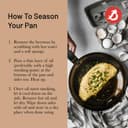
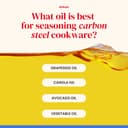
La verdad es que estoy muy contento con esta sartén. La compré porque quiero abandonar las sartenes tóxicas con Teflon y también para aportarle más sabor a las comidas. Las sartenes con Teflon no son aptas para hacer una buena carne o un bacon crujiente. En estas sartenes la carne se cuece, no se fríe, la carne no se sella bien y suelta todo su jugo en la sartén. Con las sartenes de hierro al carbono no pasa esto. Os voy a contar mi experiencia con la sartén Mineral B de De Buyer: - El curado: hay muchos vídeos en internet y muchas opiniones diferentes sobre cómo realizar el curado de una sartén de acero al carbono. Si queréis que os salga bien os recomiendo que hagáis lo que he hecho yo: seguir solo las instrucciones del fabricante, porque cada fabricante tendrá su recomendación en función de su producto. Como podéis ver en las fotos, el curado ha salido muy bien. El vídeo lo encontráis en el canal de De Buyer. EL CURADO, breve resumen: 1. No uséis aceite de oliva para el curado ni otros aceites exóticos, ya que estos tienen su punto de quemado en 160 grados, lo que es muy poco. En cambio el fabricante recomienda aceite de canola(colsa) o de girasol. Yo he usado aceite de girasol y todo perfecto, tiene el punto de quemado en unos 240 grados. 2. Muy importante la temperatura: con una cocina de gas se recomienda fuego medio-alto. En cocina eléctrica NUNCA subáis la temperatura al máximo. Aun así, el curado saldrá mucho mejor en una cocina de gas. 3. Echar aceite en la sartén hasta que cubra todo el fondo, de 1 milímetro más o menos. 4. Dejar que el aceite haga su trabajo durante 10 minutos. Podéis remover de vez en cuando para distribuir el aceite caliente también por los laterales de la sartén. 5. Tras 10 minutos el aceite ya estará sacando humo y entonces podéis apagar el fuego. Dejar el aceite en la sartén hasta que se enfríe del todo y luego retirarlo. Limpiar la sartén con papel de cocina para retirar el exceso de aceite y ya está. COCINAR: 1. El aceite: de ni guns manera hay que utilizar aceite de oliva virgen extra para cocinar en estas sartenes, ya que este tipo de sartén trabaja con temperaturas altas y el aceite de oliva virgen extra solo se puede usar hasta 160 grados. Recomendable usar aceite de oliva virgen, de girasol, de cacahuete, de canola. Todos estos aceites aguantan temperaturas de 220-240 grados. Si queréis usar mantequilla para darle un poco de sabor a la carne, a una tortilla francesa o huevos fritos, añadir la mantequilla al final de la preparación. 2. La temperatura de la sartén, para sellar bien la carne y que conserve dentro todo su jugo: como podéis ver en mi vídeo la temperatura de una sartén de acero al carbono se puede comprobar igual que se hace en una de acero inoxidable. Se salpica con un poco de agua, si el agua se evapora la sartén no tiene la temperatura óptima, si el agua forma una bolitas que bailan por toda la sartén entonces ya se puede añadir el aceite, se deja unos segundos y ya se puede añadir la carne. 3. Se recomienda tener la carne unos 20-30 minutos a la temperatura ambiente antes de echarla a la sartén, para evitar que se pegue. Personalmente yo solo le echo pimienta y a la hora de sacarla le echo sal marina en escamas mientras la dejo que descanse un poco en el plato. 4. Muy importante no dar la vuelta a la carne al menos 1 minuto, ya que la carne estará pegada hasta que se produzca el sellado. Cuando esto ocurra, la carne se despegará con mucha facilidad de la sartén y se le puede dar la vuelta. En mi caso, los entrecots que me han tocado eran muy finos para mi gusto pero al final han salido bien. Lo suyo es practicar hasta que le encuentres el punto a la carne, tal como te gusta. 5. La prueba del huevo frito: el fabricante nos dice que la capa antiadherente se realiza con el tiempo, cuanto más cocines, menos se pegará la comida. Para preparar huevos nos dice que esto sería posible después de contar al menos 10 veces proteína, carne roja sobre todo. Yo hice la prueba el día siguiente, en el segundo uso y la verdad es que no se han pegado. Primero he preparado el bacon, muy importante, ponerlo con la sartén fría y sin nada de aceite, así se calentará a la vez con la sartén y soltará su grasa, lo que le ayudará a freírse y no pegarse. Después de retirar el bacon, en la misma grasa que este ha soldado , he añadido un poco de mantequilla y he freído los huevos. El resultado final, divino, me ha recordado a mi infancia, cuando mi abuela nos preparaba el desayuno, salchichas o pancetta con huevos fritos en manteca, en su sartén de hierro fundido. 6. Muy importante: en las sartenes de hierro fundido y hierro al carbono no se recomienda cocinar alimentos ácidos: tomates, limón, vino, vinagre…Los alimentos ácidos afectan a la capa antiadherente y puede darle un sabor metálico a la comida. LIMPIEZA: 1. Nunca uséis jabón, lavavajillas o cualquier otro detergente con este tipo de sartenes. Tampoco hay que dejarla en remojo o meter a en el lavavajillas. Se limpia a mano con agua caliente y un estropajo. 2. Cuando has derribado de cocinar, recomiendo dejar la sartén a que se enfríe un poco antes de limpiarla con agua muy caliente. Nunca echéis agua fría sobre la sartén caliente porque vais a deformar la sartén. Este tipo de material es sensible a los cambios bruscos de temperatura. Si quedan restos muy pegados y no se quitan con agua caliente y con el estropajo, podéis echar agua y ponerla sobre el fuego hasta que empiece a hervir y luego rascando con una estatura de madera se quitará todo. Otro método de retirar comida pegada, esto puede ocurre cuando los restos de comida se deja mucho tiempo en la sartén o cuando se ha quemado la comida por haberla dejado más tiempo de lo necesarios y se ha superado la temperatura recomendada, es usando sal gruesa. Echáis la sal en la sartén y con papel de cocina empezáis a frotar. Luego se eliminará todo con agua caliente y un estropajo. 3. Después de limpiarla hay que secarla bien con un paño o papel de cocina. También es recomendable ponerla unos segundos sobre el fuego para así eliminar todo el agua de los poros. 4. Antes de guardarla, y aquí es donde mucha gente comete el error de no seguir estos pasos: con la sartén fría, hay que aplicarle una capa fina de aceite por toda la superficie(menos en mango) para así evitar que esta oxide. Echar unas gotas de aceite sobre un papel de cocina y frotar bien la sartén. Es muy importante que la sartén esté fría, si no, el aceite se convertirá en una capa muy pegajosa. Si vas a usar la sartén por ejemplo por la maña y luego otra vez por la tarde, entonces no tiene ningún sentido aplicar esa capa de aceite, la sartén no va a oxidar en unas horas. CONCLUSIÓN FINAL: Sin duda alguna la compra de esta sartén ha sido un acierto total. Es verdad que es pesada, personalmente la pongo sobre el fuego y no la muevo mientras cocino con ella. Es verdad que necesita más cuidados que una sartén convencional de aluminio con Teflon pero para mi vale la pena. Para mi es mucho más importante mi salud y la de mi familia. Es una sartén segura, libre de cualquier tóxico y si la cuidas bien es una sartén para toda la vida. Para cocinar guisos y alimentos ácidos vamos a comprar unas cacerolas de hierro fundido esmaltado.
Trustpilot
2 months ago
1 day ago