Buy anything from 5,000+ international stores. One checkout price. No surprise fees. Join 2M+ shoppers on Desertcart.
Desertcart purchases this item on your behalf and handles shipping, customs, and support to Iceland.
🎙️ Own the Mic, Own the Moment
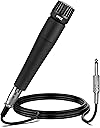
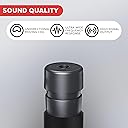
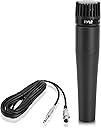
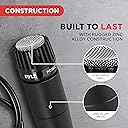
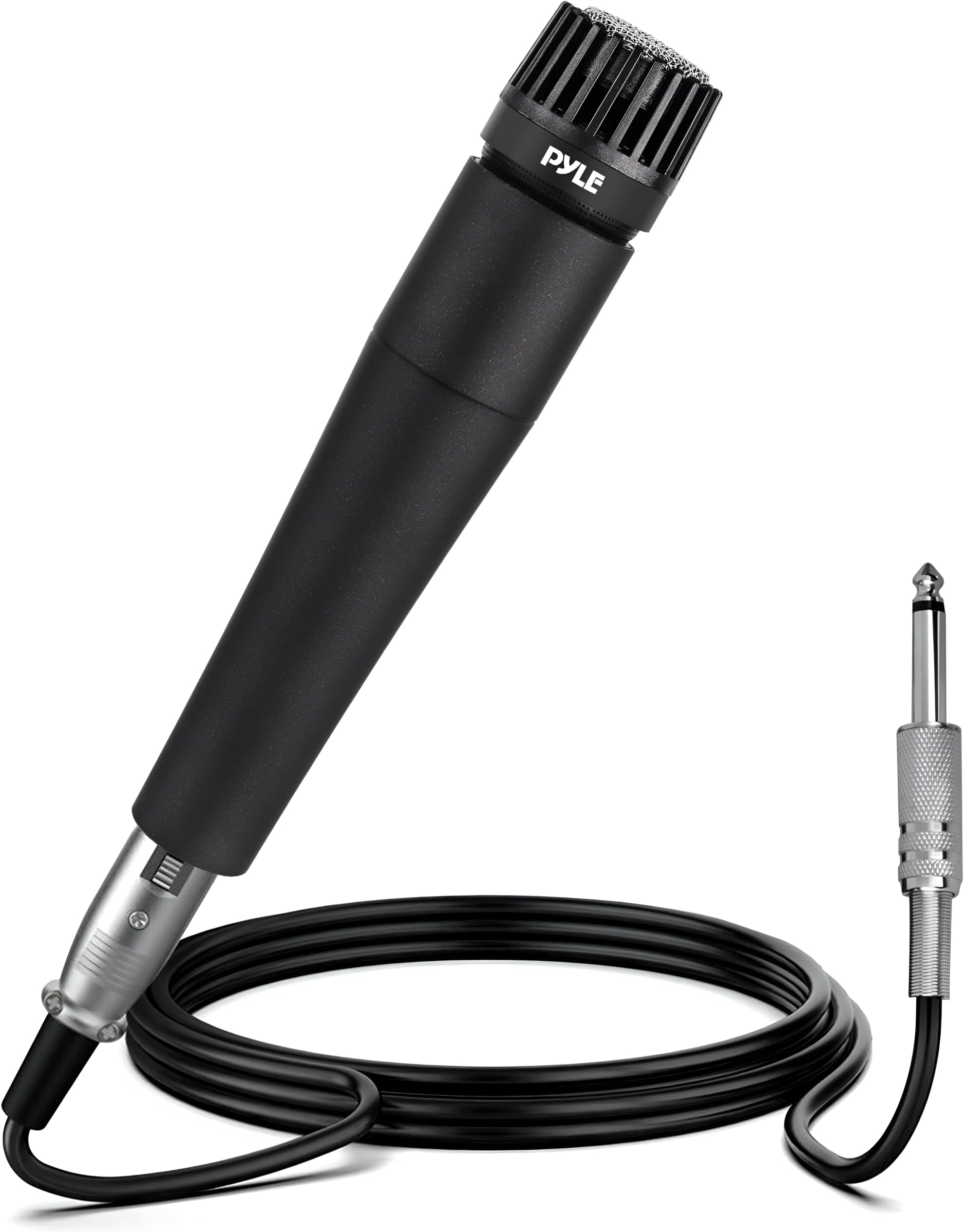
The PylePro Dynamic Handheld Microphone delivers professional-grade sound with a rugged zinc alloy body, unidirectional cardioid pickup for noise reduction, and a wide 50Hz-15kHz frequency response. Equipped with a built-in pop filter and low noise circuitry, it’s designed for flawless live performances and studio recordings. Comes ready with a 15-foot XLR cable for immediate pro connectivity.


| ASIN | B005BSOVRY |
| Antenna Location | Gaming, Karaoke, Singing, Streaming |
| Audible Noise | 70 Decibels |
| Best Sellers Rank | #2,565 in Musical Instruments ( See Top 100 in Musical Instruments ) #28 in Vocal Dynamic Microphones |
| Brand | Pyle |
| Built-In Media | 15ft XLR - 1/4" Audio Cable, Microphone |
| Color | Black |
| Compatible Devices | Amplifier, Audio Interface, Audio Mixer, Karaoke Machine, PA System |
| Connectivity Technology | XLR |
| Connector Type | XLR |
| Customer Reviews | 4.4 out of 5 stars 3,202 Reviews |
| Enclosure Material | Zinc Alloy Metal |
| External Testing Certification | Não aplicável |
| Frequency Range | 0.05 khz - 15 khz |
| Frequency Response | 15 KHz |
| Global Trade Identification Number | 00068889007039, 00611101539995 |
| Hardware Platform | Gaming Console, Karaoke Machine, PC |
| Impedance | 600 Ohms |
| Item Dimensions | 3.5 x 10 x 5 inches |
| Item Weight | 1.3 Pounds |
| Manufacturer | Sound Around |
| Maximum Frequency | 15000 Hz |
| Mfr Part Number | PDMIC78 |
| Microphone Form Factor | Handheld |
| Minimum Frequency | 50 Hz |
| Model Name | PDMIC78 |
| Model Number | PDMIC78 |
| Number of Channels | 1 |
| Polar Pattern | Unidirectional |
| Power Source | Corded Electric |
| Recommended Uses For Product | Gaming, Karaoke, Singing, Streaming |
| Signal-to-Noise Ratio | 70 dB |
| Special Feature | Noise Reduction, Runs on Plug-In Power |
| UPC | 611101539995 688890070398 823019877919 068889007039 702248798861 809198925771 012304051107 |
| Unit Count | 1.0 Count |
| Warranty Description | One year limited |
S**M
Great Performance, and not just for the price!
Sound Quality: Very Clear, no noise or distortion Sound Response: Exaggerated mid to high frequencies Build Quality: Good to Very Good Feel: Light compared to SM57 Handling noise: fairly high (much like the SM57), neither should be handheld without care. Missing: Mic mount - this mic should be used mounted Additional accessories needed: Windscreen. Notes: Some might find the exaggerated mid to high frequencies to be sibilant, while others may find it more pleasing, with better intelligibility for spoken words compared to an SM57. You can EQ this mic to make it sound nearly indistinguishable from an SM57, if that's what you desire. This mic's target may be the consumer Karaoke market, judging from the included cable that terminates in 1/4" TS plug. I would rather see this mic with a mic mount and windscreen included rather than the cable. Thick windscreen, or doubling up on a windscreen, can tame some of the bumped up mids and highs, making this mic sound smoother (IMHO). Overall a great value, good quality mic!
G**Z
You get a lot more than what you pay for with this one!
I bought this microphone simply and almost only because of its great price hoping it would not break on me, distort any sounds or cause impairing feedback while on stage. As a starting musician, my budget was very low and my only posible income came directly from playing a few gigs as a local dive bar, which didn't pay much, so when the time came to buy a microphone for my guitar amplifier my soul was set to buy a Shure SM-57 due to its undeniable reputation. However, I did not have $100 to spend solely on a microphone so as soon as I saw the Pyle-Pro PDMIC78 on my sugestions bar I was shocked to see a $10 option. I did not think twice about it as I pressed "Proceed to Checkout." Here is my opinion so far: FIRST IMPRESSION: The package came pretty quickly (under a week!) and is actually very neat (blue box with pictures and information written all over). First thing that you can see in the box is that the microphone is neatly and safely wrapped next to a cheap mic cable (XLR to 1/4"). To be fair, that cable stopped working after two years of severe abuse, which is not at all bad from a free cable that came with a $10 mic. The microphone itself closely resembles the praised SM-57 and is just as heavy. The PDMIC78 is made of metal (HEAVY metal, lol). Mine has been dropped several times from several heights and has not even dented; definitely great material. SOUND: In terms of how it sounds, it is possibly the closest I have ever heard to the actual SM-57 in this incredible price range! Don't get me wrong here, every microphone is different in some way and the quality of the SM-57 is not comparable to, say, an SM-7B, but as far as a $10 mic can go, the only defining difference between the PDMIC78 and the SM-57 is how much "gain" they capture. I'm not by any means a mic tech and have very basic to intermediate knowledge on how mics work, but when it comes to the mixer, the PDMIC78 requires about 3dB less in the gain control. Since I bought this microphone, its main use has been in front of an amp speaker. I use a considerably small amp (Blackstar HT-40) so my best bet is to mic up the speaker and set the controls however I need them to be. For a full two years the PDMIC78 has been the most reliable microphone in my rig, and I carry an SM-57 now to use the double-mic method. CURRENT USE: As mentioned above, I use the double-mic method on a 1x12" speaker cabinet. I am a total sound snob and when I play, I NEED my sound to be as perfect as I can possible get it. Because of that I have chosen to use two microphones and a direct line. So my rig goes like this: I plug in Blackstar's Emulated Out directly to the main console and use that as a basis for how I want to shape my tone, then I put the SM-57 directly towards the cone's sweetspot (every speaker has a different one; mine happens to be a little bit off the center) at about two to three inches from the grill cloth. After I play a bit with the mix between the direct and the Shure, I place the PDMIC78 aimed towards the sweetspot at an angle of around a radian or so from the cloth and move it a little bit further away from the SM-57 so as to get a few more tones coming from directly around that sweetspot. When I mix in the three, the direct line is about 4-5dB lower than the mics and has about -3dB on the high frequencies. I boost the low end of the SM-57 a tad bit (depends on the room) and work the mid sections mostly with the Pyle. I'm not using the mics for specific frequencies or so, but I do target what they can do best in they're position and compensate what they do worst. OVERALL: This mic has worked wonders in live and studio applications, and has earned an impressive reputation wherever it goes. Sound engineers and musicians alike have gotten speechless simply because of this microphone's versatile performance and incredible adaptability. I know for sure this mic will be on my rig for years to come, even as a professional musician. For the price listed on Amazon.com, this is a steal. However, A review with only good things to say and no drawbacks isn't a good review, it's just advertising. I really wish Pyle-Pro ditched the cheap cable the mic brought and sent a small protective pouch to safely store the mic in. It doesn't have to be leather (or whatever it is) like Shure makes them, but even a small canvas or microfiber pouch can help ease my mind when I put it inside a bag with clips and mics that could scratch it. Just a bit of help when it comes to caring for your product would be more than nice! Thank you for reading this review; Happy Shopping!
D**L
TL;DR: Good sound, wires need resoldering, XLR cable not balanced
TL;DR: Good sound, wires need resoldering, XLR cable not balanced Crisp highs, a bit lacking in the lows, but sounds amazing. If you use it with the SM58, it will give you perfect sound. The cord is basically useless, but is super long (and unbalanced, which is bad, but get a DI box and you'll be all set). It weighs less than the actual sm57, but is negligible. It also looks super sleek, which is good (basically exactly the same as the sm57). It's compatible with any XLR device. The mic IS balanced on arrival. CONS: You NEED to resolder internal wiring, preferably with new wires. The old ones will break off, rendering your mic useless. Don't make the same mistake I did with using 16AWG wire instead of 22+AWG, as it would short the wires out.
K**E
You MUST construct more PYLES
TL:DR--Unbeatable for the price and an hour of your time to beef up the wires. Gave me a great recording at low volume in my apartment, way better than the used and bargain mics I already had. Feels solid, sounds good, will be buying more and recommending to anyone looking to record or amp live! After reading the reviews and watching some youtube videos I jumped on this rediculous bargain and could not be happier! It IS NOT an SM57, but it is a great sounding dynamic instrument mic. As soon as I received the mic the rewire began. It really does have very, very thin cheesy wires in it. Probably 26ga or smaller, more insulation than conductor. I went to Lowes and picked up copper strand 16ga, a little bigger than I wanted and a little difficult to work into the housing of the mic during reassembly but I'm sure the increase in signal bandwidth was that much more beneficial. It's a very simple 2 wire replacement using a small piece of scrap wire to ground pin 1 to the chassis screw and you're done. The mic is balanced and can handle a larger current making it come to life. I'm not an electrical engineer so I can't really say what the bullet point benefits are other than the signal isn't choked by a narrow path anymore. I didn't even bother trying the mic as is because of the number and strength of positive reviews on the rewire, and they were right. I put this up to a Krank Rev Jr 1x12, midway from edge to cap using a Bugera G5 at 0.1w, full gain distrortion, quarter volume, and my Schecter C-1 in Drop C and the results were great using a Focusrite 18i20. I did have the gain at 3/4 to get -12db but I wasn't able to hear any discoloration, only a full sounding, clear thrash and chug meddley of metal. I'm guessing having 16ga wire all the way around helped deliver the higher power signal with ease. But as I sit here and write this I wonder if the thin cheesy wire continues in the capsule or if the pins the wires are soldered to continue to the diaphram itself...curious. At any rate, this mic is worth more than what it costs if you take the time and effort to beef up the power delivery. Much like car audio too small of wire will choke your system and strain it, but after a certain point larger wire is no benefit. You can get a soldering iron for 10 dollars at some major retailers and it will come the solder wire. Watch a few youtube videos and take your time. Even with all that considered, you've saved time and money over an SM57. Because, how many hours do you have to work to pay off an SM57? How about a $15 mic, possibly a $10 iron, and an hour of your time? Think about it if you're serious but skeptical. I was, but now I'm going to buy a few more for general purposes in recording live bands!
J**Z
A hidden Gem
Great mic, super similar to the Shure SM57! I have both microphones, and I plugged them in to compare the two. I found them to be nearly Identical in a lot of ways! I will say even though they share a bunch of similarities, both in aesthetic and sound quality, the Pyle seems to be significantly lighter than the Shure (maybe due to the lack of a transformer or something along those lines), and I will say the build quality (SM57s are known for being borderline indestructible) on the pyle isnt as durable but still can take a beating for sure! If you are in the lookout for a cheap Shure clone, this thing is reliable and gets the job done for less than 20% of the Shure counterpart price! will be buying again!
J**.
Unreal price on a professionally useable mic that's very close to it's real deal design influence...
This is very close to a Shure SM-57, so much so that I am not sure if myself and other recording enthusiasts could pass the A-B blindfold test. It is a bit brighter than my mid '90's SM-57, but the Pyle is basically what a transformer-less SM-57 mod sounds like. Many engineers remove the transformer from one of their 57's to give it more top end and air, it's a quite common modification. The Pyle MIC78 is a no brainer for anyone who has a home studio or does gigs where there are lots of mics going to the board. I bought two and am probably going to pick a few more up...at that price it is so hard to resist. They aren't made with the same care and quality as a Shure mic is so be careful with the leads disconnecting (re soldering the entire mics innards is probably a great idea), the input jack on one of mine was fine but the other was a bit snug. That's why it's good to buy multiples of the Pyle because it's obvious there are some sloppy ones amongst the good ones. I am thinking of putting a transformer into one to see just how close it can get to an SM-57...it is a modders dream mic. This is a case of getting so much more than what you pay for, just keep expectations in check. Yes they are really, REALLY close to the Shure classic but they are made overseas and need some TLC to last. Don't throw these across stage like you would an old SM-58 that reeks of beer. This is more of a studio mic for guitar amps, drums (snare, toms) and even acoustic guitar & vocals. I used one pointed at the bridge of my acoustic, three feet away, and mixed it with a large condenser at around the 12th fret spot a few feet from the guitar and it was great when blended. The Pyle added some sizzle to the condensers steak, capturing the pick attack and some nice upper harmonics on strummed chords; the condenser captured the body and fullness of the guitar with its own air and lightness up top. Great combination. Very recommended for recording, playing live (just don't throw them around) and just as a cool extra few mics in the locker to be used to experiment and comfortably replace that extra SM-57 you may need but don't have. Pyle has surprised me big time...
L**L
sounds amazeing
great microphone professional sound works great for my recording studio and sounds great recording my j45 and comes with great cable works great with the interface great quality thanks alot pyle and will be buying more in the future
G**H
Just as good as a 57 in it's own way.
In my opinion, it's as close to an actual SM57 as you can get. Not to mention that its extremely affordable. Solid metal housing with a metal grill at the mouth piece. Sound wise, it's really really close to the real thing, but a bit hight on the treble it picks up... and some people might actually find that a plus. In many ways, its almost identical to a real 57...just picks up some frequencies differently. So i wouldn't go as far as to so it not as good as a real 57, it's just slightly different and just as good in it'sown ways. I use this mostly for micing my amp for recording and some vocals here and there. As for the recording quality when recording an amp, it fits my needs just fine. There are so many factors at play when recording like this, but I would say that placement and proximity are key depending what type of situation your in...and also key to getting different sounds from the same amp. Usually I'll do a track with the mic pointed a hair off dead center of the cone of the speaker, with the volume level set to about rehearsal levels. Then i'll do another track with the mic about 5 to 10 feet away to capture some natural reverb to create some space at about the same volume level. then I'll mix then down to a single track and repeat as needed. Its actually a very versatile mic and I was very surprised with the quality for the price. It has a good solid build and weight to it and even included and XLR to 1/4" cord about 15 foot long, which so far has not shown any signs of loss of signal. But make no mistake, it's not a Shure SM57 and I don't think it tries to be other than in appearance. But it is a very good and affordable comparison to it. Do I think it will last years and years of wear and tear? Probably not due to the very fragile wiring inside, but if you take the time to resolder every connection and take good care of it, who knows...maybe it could last for many years. But unlike a real 57 that you know is an industry workhorse, this one has a long way to go to earn that type of reputation. Possible, but only time will tell. Either way, if you're looking for decent quality at a really good price, you can't beat this mic. If I was more into recording live drums, I would get 3 to 6 and feel pretty confident they could get the job done. One is all i need for now, but if i find myself needing more mics, I will definitely look for these before the other "look-alike" budget brands.
J**S
plus qu'une alternative au SM57 un choix délibéré
Musicien amateur (guitariste et claviériste) depuis 10 ans, tourné vers le Rock Alternatif , le Stoner et le Métal, je souhaitais compléter mon set de micros instruments par un clone de sm57 (collé contre un baffle guitare 2x12, en complément du shure) Franchement ce petit micro payé 20 euros est une tuerie, surtout pour les sons saturés où il excelle. Sur tom batterie convainquant aussi et en dépannage en overhead pour les cymballes, plutôt bon (reprend très bien. les fréquences aigues). Plus de dynamique et de brillant (moins étouffé) que le SM57. Pour les sons purement acoustiques, cordes notamment, il colore plus le son, ça peut être sympa mais c'est pas là où il faut l'employer (le 57 non plus d'ailleurs).. Bref allez y les yeux fermés....très belle surprise !
C**N
Relación calidad/precio perfecta
¿Qué parece? Un clon del mítico SM57 ¿Qué es? Un clon del mítico SM57 ¿Cómo suena? Tan parecido a un SM57 que mucha gente no notaría la diferencia. ¿Cómo rinde? Muy correctamente, tanto en grabaciones como en directos. La construcción es sólida y el micro tiene un peso que da confianza a la hora de manipularlo. El sonido es bueno, aguanta transitorios sin ningún problema, la sensibilidad es buena. Grabando lo he utilizado para percusión y para amplificadores de guitarra sin ningún problema. Incluso combinándolo con un 58 con la cápsula descubierta para microfonear un amplificador se obtiene un estéreo muy interesante y agradable. El único defecto que le podría dar sería que de fábrica no aprovecha la salida balanceada, pero es algo que se soluciona con un poco de estaño y 2 minutos de maña. A pesar de ello, lo estuve utilizando sin balancear para algunas grabaciones y no me dio problemas de ruido ni de ningún otro tipo. También lo he comparado con algunos clones chinos del SM57 y el Pyle los supera con creces. Conclusión: Un SM57 siempre será un SM57, pero en lo personal puedo decir que estoy muy contento y volveré a comprar uno si lo necesito.
L**O
OTTIMO, economico e popolare !!
TRIVIA: Come hanno scritto in tanti è in pratica uno dei tanti cloni del 57, ma non marchiato shure, viene prodotto da un azienda Americana di tutto rispetto che costruisce i supi prodotti in cina, la Pyle ! Pyle non solo si occupa di microfoni ma anche di altre cose nel campo musicale come coni e amplificatori ecc. USO: Il Pyle PDMIC78 è un microfono robusto che vi arriva in una scatola d buona fattura con un cavo in dotazione. Il microfono si presta bene a tutti i tipi di strumenti , specialmente percussioni, riprese da amp chitarre e strumenti tipo sax ,clarinetti e flauti ecc. Per coloro che vorrebbero usarlo come mic voce dico subito che è meno adatto, ma con qualche accorteza è possibile usarlo anche per cantare ma solo su asta, è preferibile cercare un microfono per voce specifico (stile sm58). IN STUDIO: Ho provato questo microfono (ne ho 4) e vi posso garantire che alla resa dei conti a livello di ripresa ci sono delle differenze irrisorie, anzi ho preferito la ripresa timbrica del pyle rispetto al 57 originale. Molti storceranno il naso leggendo quello che scrivo ma spesso la maggior parte sanno solo criticare senza essere costruttivi o positivi. Cosa pretendere da un microfono che mi è costato 14 euro???? Invece resterete meravigliati !! CONNESSIONI: I microfoni arrivano già con connessioni bilanciate percui chi scrive il contrario è in errore. Il microfono in dotazione funziona ma vi consiglio sempre un xlr2 xlr per isolarvi dai rumori di fondo. Ma questo non significa che il cavo non è funzionante, se non avete nessuna pretesa anche il cavo in dotazione va bene (se non altro lo tenete come back-up) !! Vi lascio due consigli alternativi, usatelo sulla grancassa , sono rimasto scioccato dalla resa sonora e dall pressione che sopporta ! Provate due pyle come OH , un mic sul rullante e un mic nella cassa ,, risultato? senza parole !!! LIVE? :Ho provato anche dal vivo, confermo quello che scrino altrove, vanno bene ! CONCLUSIONE: Per il loro prezzo vanno bene, Sicuramente nel tempo un shure originale durerà di più specialmente se abusato dal vivo, d'altronde cosa volete ? un mic originale shure costa 120+ euro quindi inutile fare paragoni ,no?
C**N
Fantastic Value for Money
A very good microphone for the price. From a sound quality point of view, I would say the PDMIC78 is comparable to a genuine SM57, but with a slightly brighter high end. Build quality from the outside is similar, but the the PDMIC78 is lighter (Due to the lack of an internal transformer). As with Pyles other microphones, this is also not balanced (not that most people will hear a difference), but that can be fixed in just a couple of minutes. I would recommend this mic to anyone on a budget, anyone starting out or even those who just need some extra SM57 style mics around the studio.
J**.
High quality
The sound is excellent , i used for snare drum and congas, Bongos. The high end is better than famous SM 57
Trustpilot
5 days ago
3 days ago