
Desertcart purchases this item on your behalf and handles shipping, customs, and support to Iceland.
🏔️ Elevate your endurance game with the ultimate uphill athlete’s playbook!
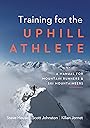
Training for the Uphill Athlete is a definitive manual blending cutting-edge science and elite coaching to help mountain runners, ski mountaineers, and endurance athletes craft personalized, progressive training plans. Authored by top-tier athletes and coaches, it offers in-depth physiology insights, strength integration, and practical guidance to maximize performance while minimizing injury risk.
| Best Sellers Rank | #21,456 in Books ( See Top 100 in Books ) #2 in Downhill Skiing #3 in Cross-Country Skiing #4 in Mountain Climbing |
| Customer Reviews | 4.8 out of 5 stars 1,288 Reviews |
L**T
A new milestone in quality and thoroughness in a training guide for the endurance athlete
The book "Training for the New Alpinism" by Scott Johnston and Steve House set new standards for thorough, science and coaching-based training advice for alpinists and endurance athletes alike. Although focused on fast and light alpinism (aka "new" alpinism), Johnston's background as a coach in cross country skiing permeated the book and, as a result, much of the book could be easily applied to other endeavors- like cross country skiing, mountain running, and ski mountaineering (SkiMo). With support from Patagonia as publisher, a large emphasis was placed on clear, high quality, information-dense graphics that were far superior to anything else available at the time. I highly recommended this book when it was published and continue to do so today. Enter this new volume from Johnston and co-authors Steve House and Kilian Jornet that is focused on mountain running, ultra running, and SkiMo. Along with the same science and coaching-based guidance, similarly superior graphics, a unique focus on strength development, and an excellent handbook to developing your own training plan, "Training for the Uphill Athlete" represents a new milestone in quality and thoroughness in a training guide for the endurance athlete. In this book one will find a nicely presented approach to training for "uphill" endurance sports such as mountain running and SkiMo. Throughout, the authors provide a scientific and/or coaching-based foundation for the specific training programs being described. Of particular note are the sections on ATP production and lactate metabolism- the best presentation of this material that I have been exposed to. All of this gives the reader the basis for (or a starting point for) development of a personal training "philosophy"- something that is critical to the success of any training regimen. As is pointed out frequently in the book, each individual presents a unique combination of physiology, biomechanics, life situation, and personality. Provided with a basic foundational approach and the specific tools needed to enable successful, progressive training , the reader is well positioned to be able to design and execute upon a training program that is aligned with his or her abilities, time, commitment, and goals. The overarching mantras laced through the material are: aerobic base development, "progression, progression, progression", and the critical importance of substantial integrated strength training elements Too many athletes and recreationalists ramp training up too quickly, incorporate intensity too soon, suffer injury, and, potentially, burnout. By properly progressing training load and intensity and integrating strength sessions into the program such "training errors" can be largely avoided. These themes are regularly brought forward and discussed throughout the book and recommendations are provided to help the reader incorporate appropriate progressions and strength programs. Although of limited value, the book is punctuated by sidebar stories and opinions from representative uphill athletes- both elite level and some well-known sub-elite athletes. I find these individual essays to be more of a hinderance to the authors otherwise successful goal to provide clear guidance but I know that many find such stories inspirational. Also included are "Kilian's Notes"- short sections where Kilian describes his training history, training methods, and some specific workouts. Again, I find these of limited value as they are coming from an athlete who has been in intensive endurance training since he was 13 years old, with a 90+ VO2max, mental fortitude that is similarly off the charts, and has raced thousands of times. Having trained with athletes with some of these attributes, I can say that what they do is not particularly relevant even to those with relatively high VO2max and long histories with training for endurance sport. If you have ever competed against or trained with someone with a 90+ VO2max you will know what I mean. I suggest that one take these Kilian missives as just that- an entertaining peak into what such an extraordinary and accomplished athlete does and not a prescription for anyone else. Unfortunately there is no warning to this effect in the book. I have found little to disagree with in this book with the exception of the science fiction provided on "fat adaptation" and a "hook-line-and-sinker" devotion to the persistent hunting theory as a basis for understanding human endurance abilities. But these are minor items and thankfully nutrition is not a focus of the book so it is easy to let these go and concentrate on all of the truly valuable information and presentation in the book. I highly recommend this book for anyone who is interested in understanding fundamental endurance training concepts, evolving a personal approach based on these concepts, and developing a reliable, flexible training plan that will, with consistency and commitment, lead to success and goal achievement in endurance sport.
Y**B
Essential book for mountain runners
Amazing book, every page is so insightful and concepts explained lucidly yet with depth. I had this as an audiobook but it really doesn't do it justice as the book is so beautifully laid out and figures vital. Thank you to the authors for this masterpiece!
R**O
Great training book
I am basing my first attempt at structure training for mountain running on the concepts covered on this book. I am now half way through my transition period and looking forward to my base period. One of my biggest surprises was their approach to building up aerobic endurance. A bit counter intuitive, emphasizing on zone 1-2 moderate workouts is forcing me to slow down and protecting me from overtraining and injuries while building up the needed base for harder workouts down the road.
J**.
Similar to other books - good read.
Very good science and overview of training. There are nuggets of new information but by and large it’s very similar to other running books/training guides. If you haven’t previously read Daniels, Pfitz, Lore of Running, etc it will be very informative.
T**H
Buy this book instead of any training plan
I wish I would have had this book years ago when I started training for my first marathon. This book dives into the physiology and biology behind training, helping the athlete understand how different types of training cause the body to adapt. This book is for serious people who want to know how to train for endurance events. There are sections that will help beginners transition to structured training, but it is mostly targeted towards athletes stringing multiple years of training together. The book spends about 2/3 of it's first pages just explaining muscle and endurance adaptation, so by the time it explains structuring specific training plans you understand and can adjust for yourself. One of the main points is spending the majority of your training time at a very low level intensity to build an adequate aerobic base, which I thought I had, but did not. It also provides specific strength training and running workouts to increase speed, and how they fit into the broader aerobic training. I would have paid 2-3 times more for this book because of the value I got from it.
N**R
the bible for endurance athletes
I am 52 years old and have a degree in Exercise Physiology...ski tour and ski inbounds 100+ a year and I am doing my first half iron man in July 2023. This book has become my go-to for training. The best part is the training has shifted from "go hard till you puke" from the 80s and 90s to actual Zone 2 slow training 80% of the time. This guide starts at a cellular level and explains the Why and gives you comprehensive workout routines based on your activity. No hyperbole, not trying to sell quick fix supplements... I cannot recommend this enough for any endurance athlete (not just skimo or ultra or triathletes). It should be used in schools for future exercise physiologists and endurance coaches. A must have in the library.
H**G
A great guide if you want to train for the mountains
I really enjoyed this book. It offers a great mix of technical background, practical training advice and interesting stories by and about top athletes. This means that the book will appeal both to people that are serious about improving their performance as well as those that are interested to just hear how the professionals do it. The scientific and technical sections will help you to understand why training helps to improve performance as well as how the different training types affect your body. The practical sections of the book will help guide you to understand what sort of training you should do given your goals (or how you should adapt your goals given your level of training). I particularly enjoyed the athlete stories. I found them very inspirational. These stories highlight how competitive athletes approach training and racing and some of their motivations.
M**E
Best "How To" Training Guide to Improve your Endurance
These three extraordinary athletes have collaborated to create the best endurance training guide out there. It is chock-full of science, research, techniques, and strategies that can help you improve your endurance. First, they start with the Physiological Basis for Endurance, then move into Methods (120 pages, longest section of book), then they address Strength training, and finally How to Train which helps you develop your own customized plan. They give priceless advice about all the components that go into your endurance, which variables are easier to move, and how to move them (most efficiently). Then they show you how to create your own training personal plan for optimal performance while minimizing the chance of injury. If you are a trail runner, backcountry skier, mountaineer, hiker, or any 'uphill' sport, you'll find pure gold in this book. And it's extremely well-written. I think anybody reading this book would gain: * detailed techniques pertinent to their own strengths/weaknesses * detailed strategies to create your training plan * inspiration to pursue big goals Personal stories from 20+ other top athletes enrich the book (and gave me further specific advice). My only suggestion, if I may be so bold, would be an expanded discussion for the older athlete -- maybe a topic for a future book? I have been a huge fan of the authors for many years, since House's "Beyond the Mountain." "Training for the New Alpinism" helped me gain endurance to run a hilly 100K race last year and (sort of) keep up with my teenage son multi-pitch rock climbing. This new collaboration with Kilian Jornet adds his extraordinary perspective - and provides even more specifics. I predict this book will be the best investment you'll make in your training this year.
S**G
Even for the over-the-hill 'athlete'.
I bought this book earlier in the year (2020) and was immediately impressed with its layout, stunning visual appeal, and intellectual content. The superbly illustrated section on 'Aerobic Deficiency Syndrome' (credited to Phil Maffetone) was especially pertinent to me and was all the excuse I needed to continue my glacially slow locomoting at Zone 2 'intensity'. The 'vacuum cleaner' analogy really helped my understanding of the physiology involved in the aerobic base building process and was perhaps worth the price of the book in itself. Regardless of some gripes about the 'core' training section, and the fact that I am too old to put into practise a LOT of the information in this book, I still love it. Mr House and Mr Johnston's knowledge, experience and passion is the driving force behind this great book, and their UpHill Athlete website (with its excellent series of podcasts). I commend them for presenting this material in such an inspiring way and I think it is the gold standard text in this field.
W**I
Very comprehensive and easy to understand
Very useful book with practical information as well as nerdy graphs for those looking to self coach. They talk about the what, why, and how in a easy to understand manner, and example training plans. Nothing is new if you are a seasoned athlete, such as LT1 and LT2, zones, etc, but the book ties all the theory together very well.
A**E
An Absolute Game-Changer for Endurance Training
"Training for the Uphill Athlete" was my first deep dive into structured training. Having already completed three marathons before buying this book, I felt my old training methods weren’t giving me the results I wanted, especially as I transitioned into trail running. This book was an absolute eye-opener and will save you a lot of time and frustration by teaching you how to train effectively and avoid burnout. The key takeaways for me: Building an aerobic base: The book emphasizes the importance of dedicating months to low-intensity Zone 1 and 2 training, with maybe one uphill sprint session per week. This foundation is crucial for long-term endurance. Holistic training cycles: Instead of focusing on individual sessions, the book teaches you to think in larger cycles, such as 3-4 week blocks (e.g., 2-3 weeks of intensive training followed by a recovery week). This approach allows your body time to adapt and avoids the dangers of overtraining. Energy systems explained: The book gives a fantastic explanation of how aerobic (fat-based) and anaerobic (glycogen-based) ATP production works, and why relying on fat for energy is more sustainable for endurance athletes that go for hours on end. I highly recommend this book to anyone involved in endurance sports, particularly runners. It’s filled with practical advice and scientific explanations that will make a huge difference in your training. A must-read for anyone looking to take their performance to the next level!
C**N
Tres bien
Très bien
H**Y
Muy buen libro de teoría para poder entender bien el rendimiento del cuerpo
Trustpilot
1 month ago
2 months ago